
Where the Material Begins
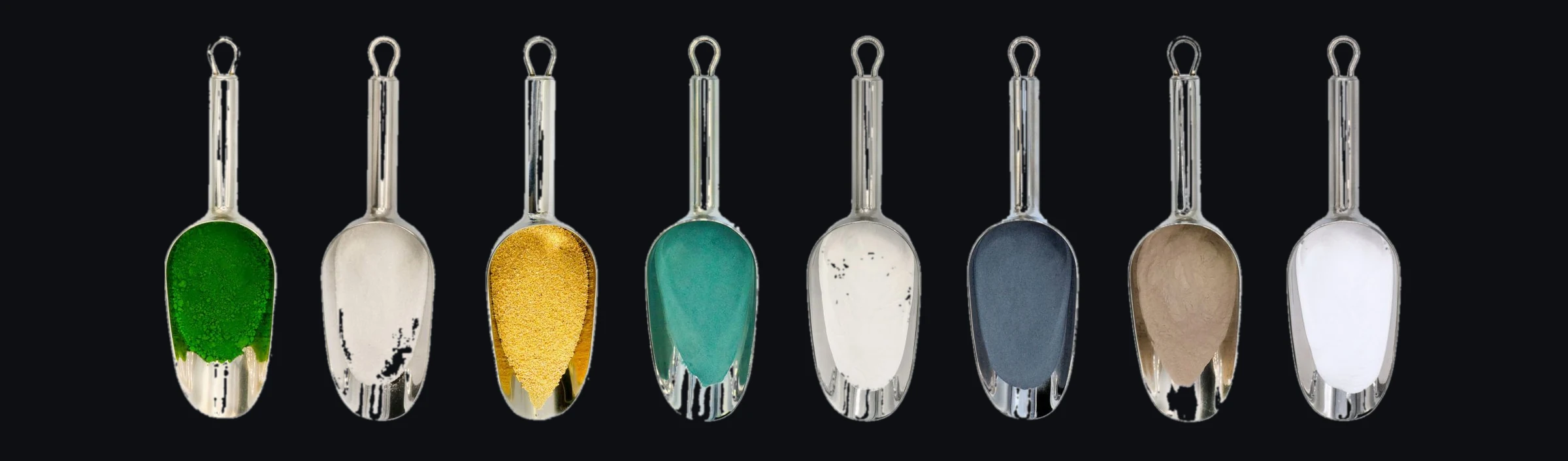
Advanced technology starts with the right powder. By developing silicate, oxide and non-oxide ceramic powders, we supply high purity raw materials for applications ranging from ballistic protection to semiconductors, energy and medical technology.
Repeatable processing performance depends not only on high chemical purity, but also on controlled particle size distribution, particle morphology, specific surface area, surface characteristics and additive chemistry. Each formulation is developed with its forming and sintering behavior, as well as the requirements of the final component, in mind.
Powder Types
Silicate Ceramic Powders
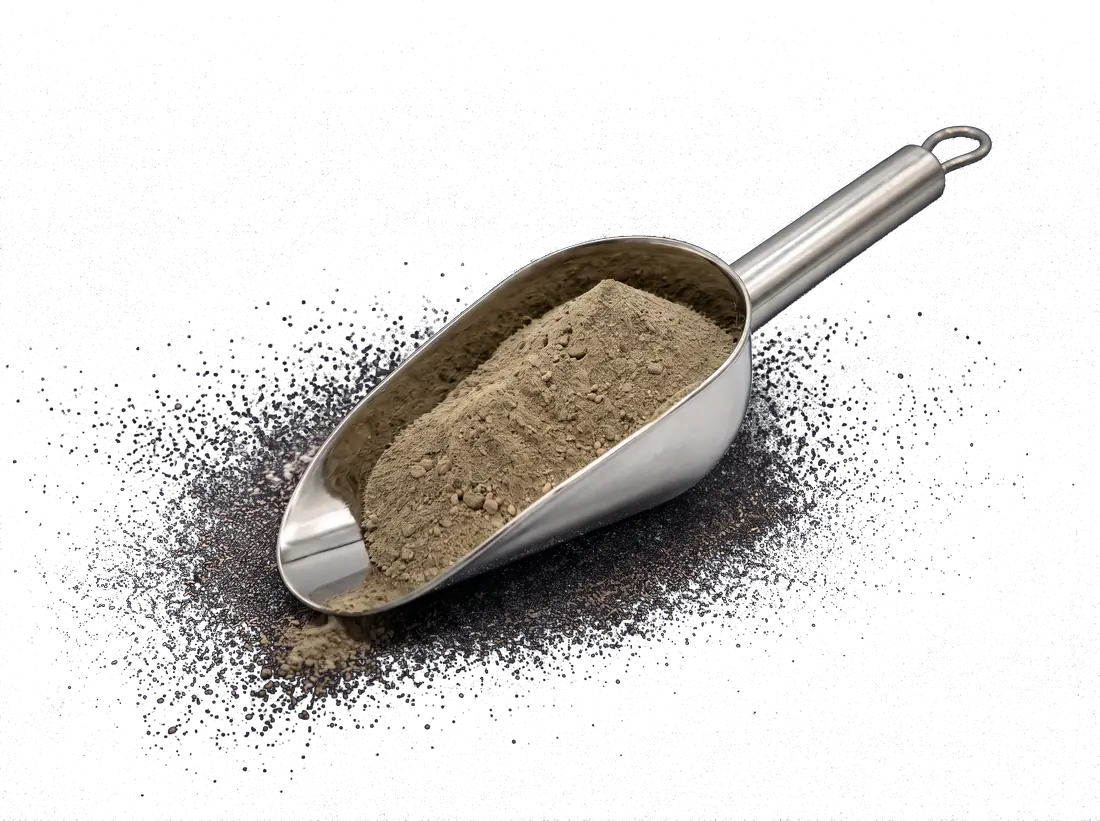
Silicate ceramics are one of the most established families of technical ceramics. Developed from raw materials such as clay, kaolin, feldspar, talc and silica, this group includes material systems based on porcelain, steatite, cordierite and mullite. Depending on composition, liquid or glassy phases may promote sintering and densification and can help reduce processing temperatures. Electrical insulation, thermal expansion and thermal shock behavior vary across the different material systems. Silicate ceramics are used in electrical insulators, refractory components for furnaces and heat treatment equipment, and carrier bodies for heating elements and sensors.
Oxide Ceramic Powders
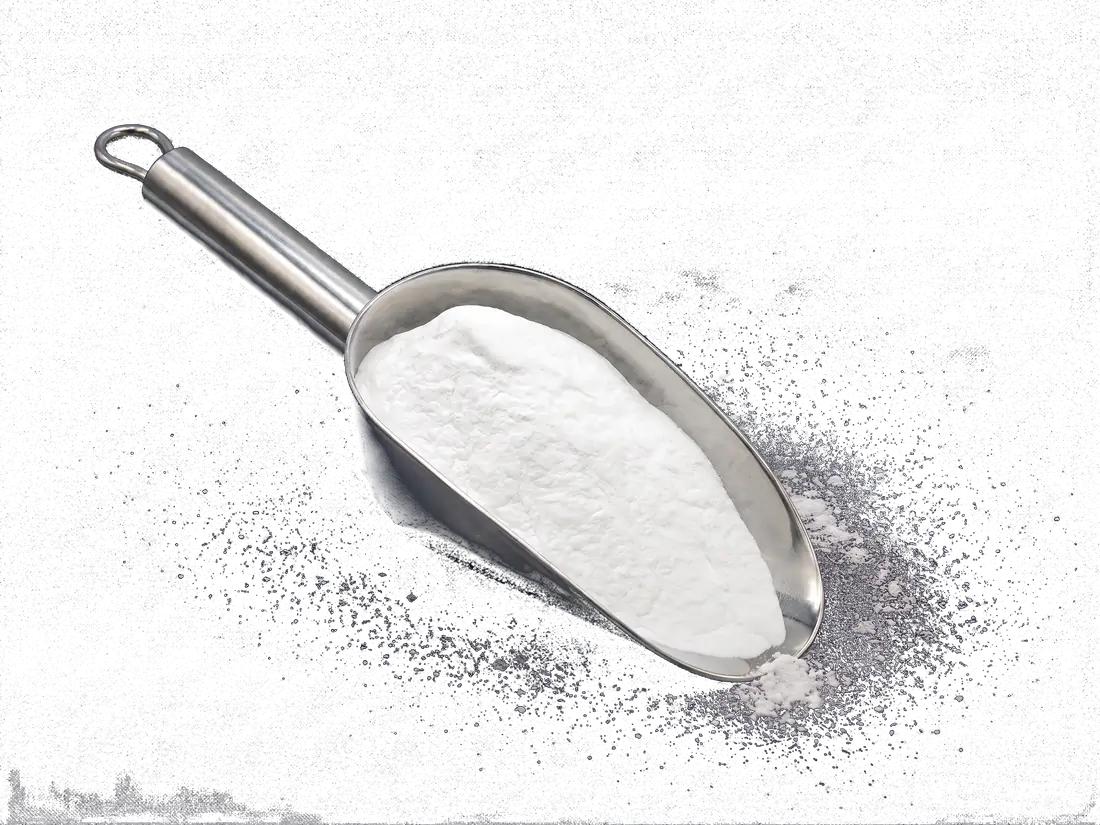
Oxide ceramics are advanced ceramic materials whose principal constituents are metal oxides. Common examples include alumina (Al₂O₃), zirconia (ZrO₂), yttria (Y₂O₃) and magnesia (MgO). Their hardness, strength, corrosion resistance, wear resistance and electrical insulation depend on composition, purity, phase constitution and microstructure. We supply fine and ultrafine oxide powders for forming routes such as dry pressing, powder injection molding, slip casting and extrusion, as well as powders for thermal spray applications.
Non-Oxide Ceramic Powders
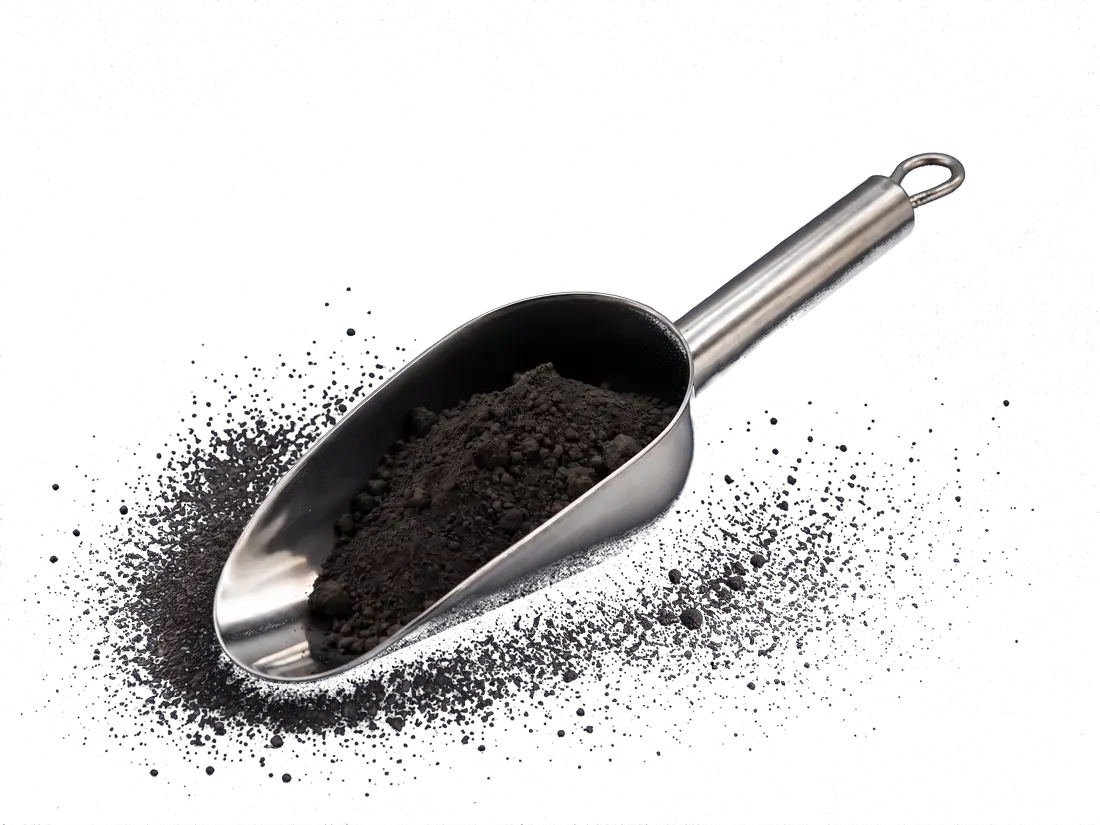
Non-oxide ceramics include material systems based on carbides, nitrides and borides. Silicon carbide (SiC), boron carbide (B₄C), silicon nitride (Si₃N₄) and aluminum nitride (AlN) are widely used examples. Their strong covalent and mixed ionic-covalent bonding contributes to properties such as high hardness, high temperature stability and wear resistance. Thermal conductivity, thermal expansion, fracture toughness and oxidation behavior, however, vary significantly with material system, purity and microstructure. Non-oxide ceramics are used in ballistic protection, wear components, sealing elements, semiconductor processing equipment and nuclear applications.

Advanced Engineering, Tailored to Your Needs
Every platform, threat and operating environment brings different requirements. Tell us about your needs, and our engineering team will work with you to define the right protection solution.